
Vijayanagar, Bengaluru · Since 1988
Iyengar yoga as it was handed down
Learn with Narayan Sir, a direct student of B.K.S. Iyengar. A patient, personal practice rooted in precision, attention and the guidance of a teacher.
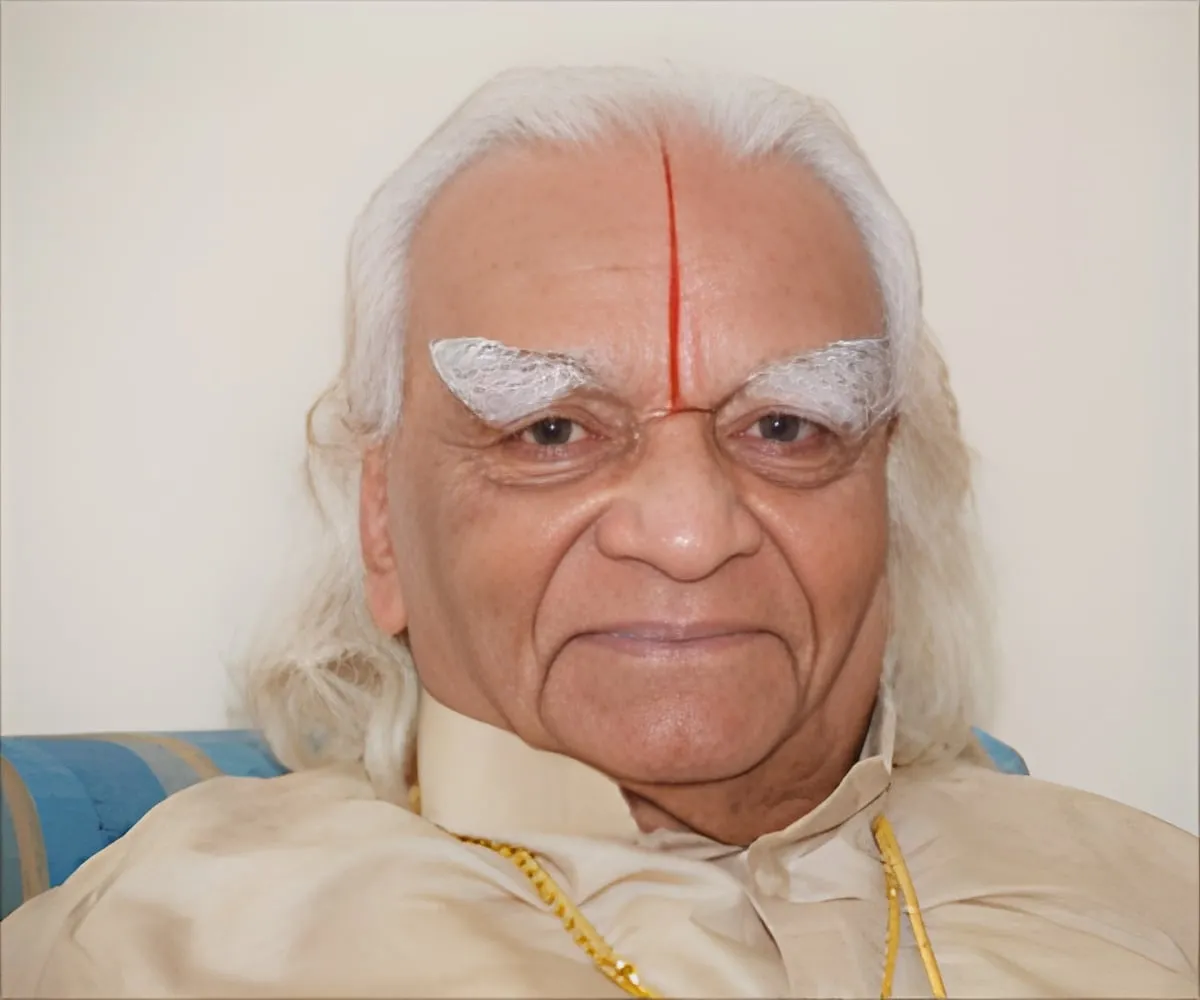
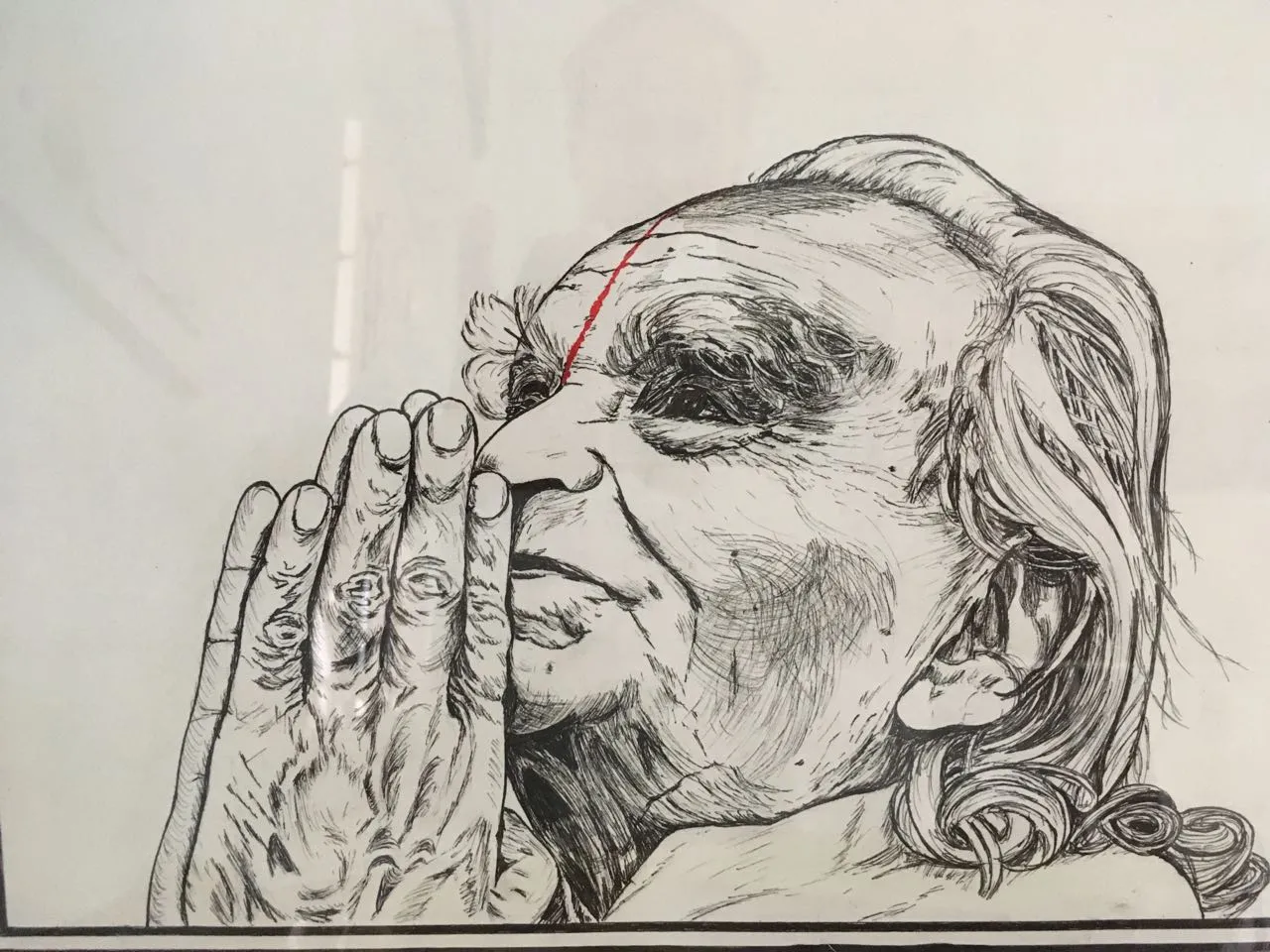
- 1988
- 6–10
- 4–8
Begin with a visit
Come to the institute in Vijayanagar and meet Narayan Sir. Call ahead to discuss the right class and confirm your first visit.
Yoga Philosophy
Yoga as a discipline of body, breath and mind goes back to the sage Patanjali, who set it down in the Yoga Sutras. Every serious yoga, Iyengar yoga included, rests on his eight limbs.
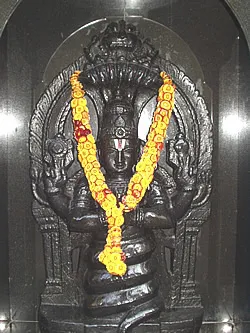
योगेन चित्तस्य पदेन वाचां
मलं शरीरस्य च वैद्यकेन ।
योऽपाकरोत्तं प्रवरं मुनीनां
पतञ्जलिं प्राञ्जलिरानतोऽस्मि ॥
yogena cittasya padena vācāṁ malaṁ
śarīrasya ca vaidyakena
yo'pākarottaṁ pravaraṁ munīnāṁ
patañjaliṁ prāñjalir ānato'smi
Let us bow before the noblest of sages, Patanjali, who gave yoga for serenity and sanctity of mind, grammar for clarity and purity of speech, and medicine for perfection of health.
The eight limbs, ashtanga
- 1 Yama Restraints
- 2 Niyama Observances
- 3 Asana Posture
- 4 Pranayama Breath
- 5 Pratyahara Drawing inward
- 6 Dharana Concentration
- 7 Dhyana Meditation
- 8 Samadhi Absorption
A teaching passed from hand to hand
This practice is not learnt from a book. It passes from teacher to student over years, through correction, observation and time spent together on the mat.
- Ancient India Sage Patanjali, who set down the Yoga Sutras
- 1918–2014 B.K.S. Iyengar, Guruji, who shaped the method in Pune
- Decades Narayan Sir, his direct student
- Since 1988 Students in Vijayanagar, Bengaluru
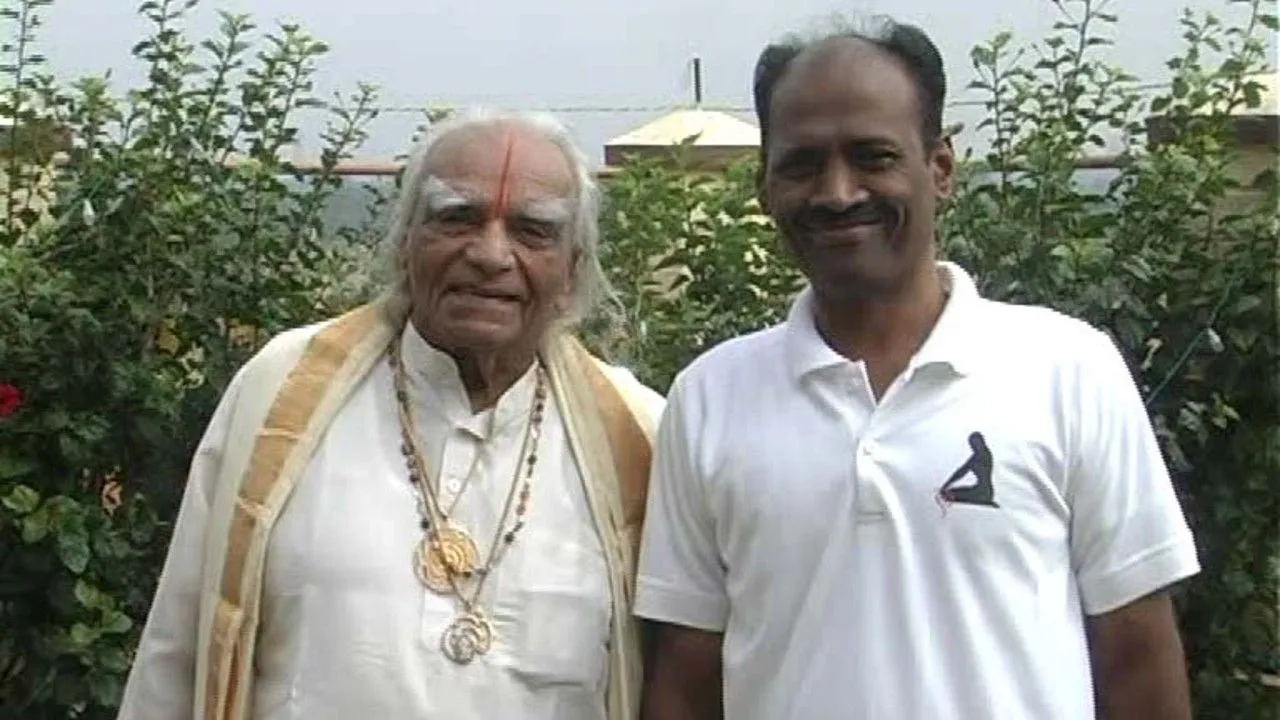
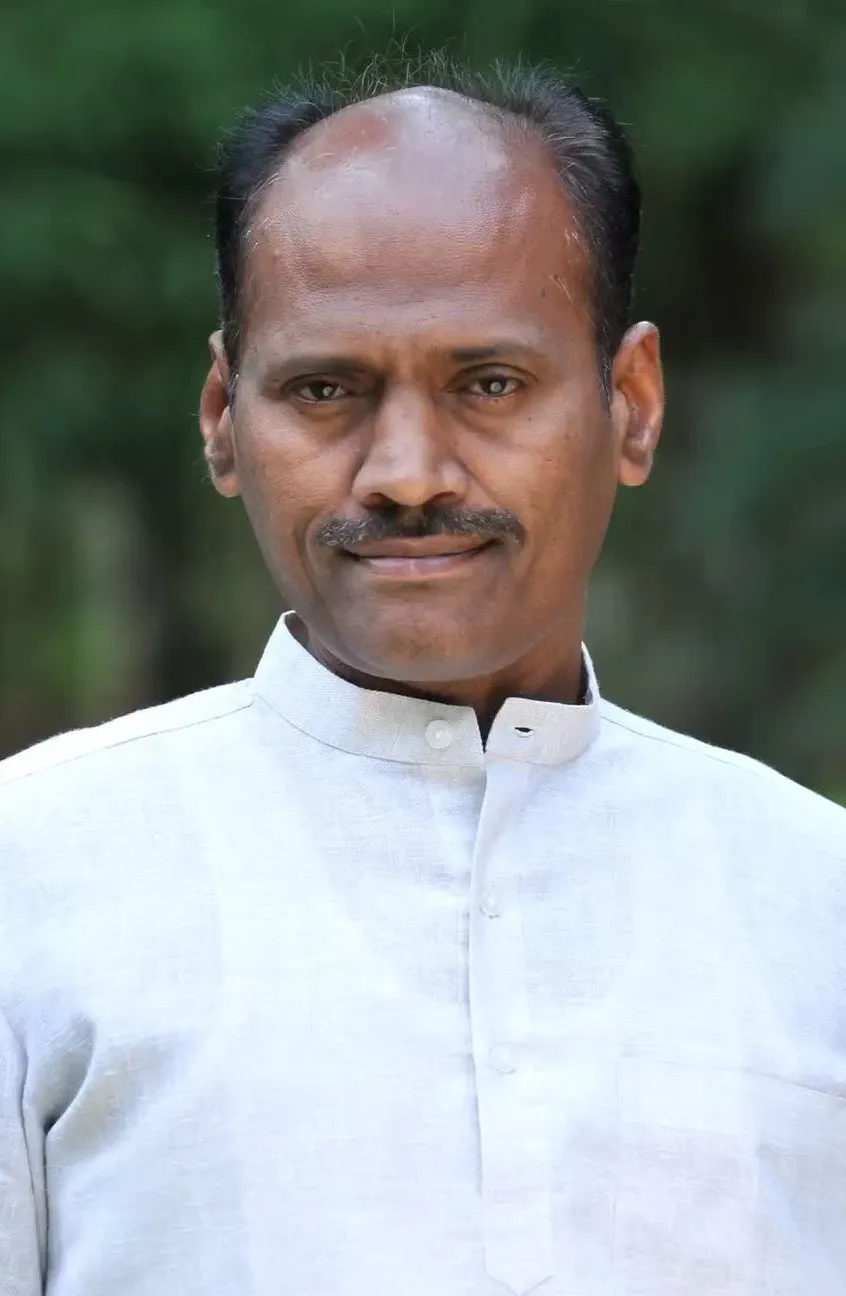
Narayan Sir
A direct student of Guruji, teaching in Vijayanagar since 1988. He speaks Kannada and Tamil, and the essence of what he teaches is grasped by practising beside him over months.
Most exercise works from the outside in. This practice works from the inside out.
The aim is not how the body looks, but how it functions: the organs, the breath, the nervous system and the mind.
Starts at the surface: strength, shape, how the body looks. A fine place to begin, with a value of its own.
Starts at the centre, with breath and mind, and works outwards through the nervous system and the organs, to the muscles, the joints and the way the body moves.
Breath and mind together
Each posture is held with steady breath and full attention, until the practice reaches below conscious effort.
The inner body first
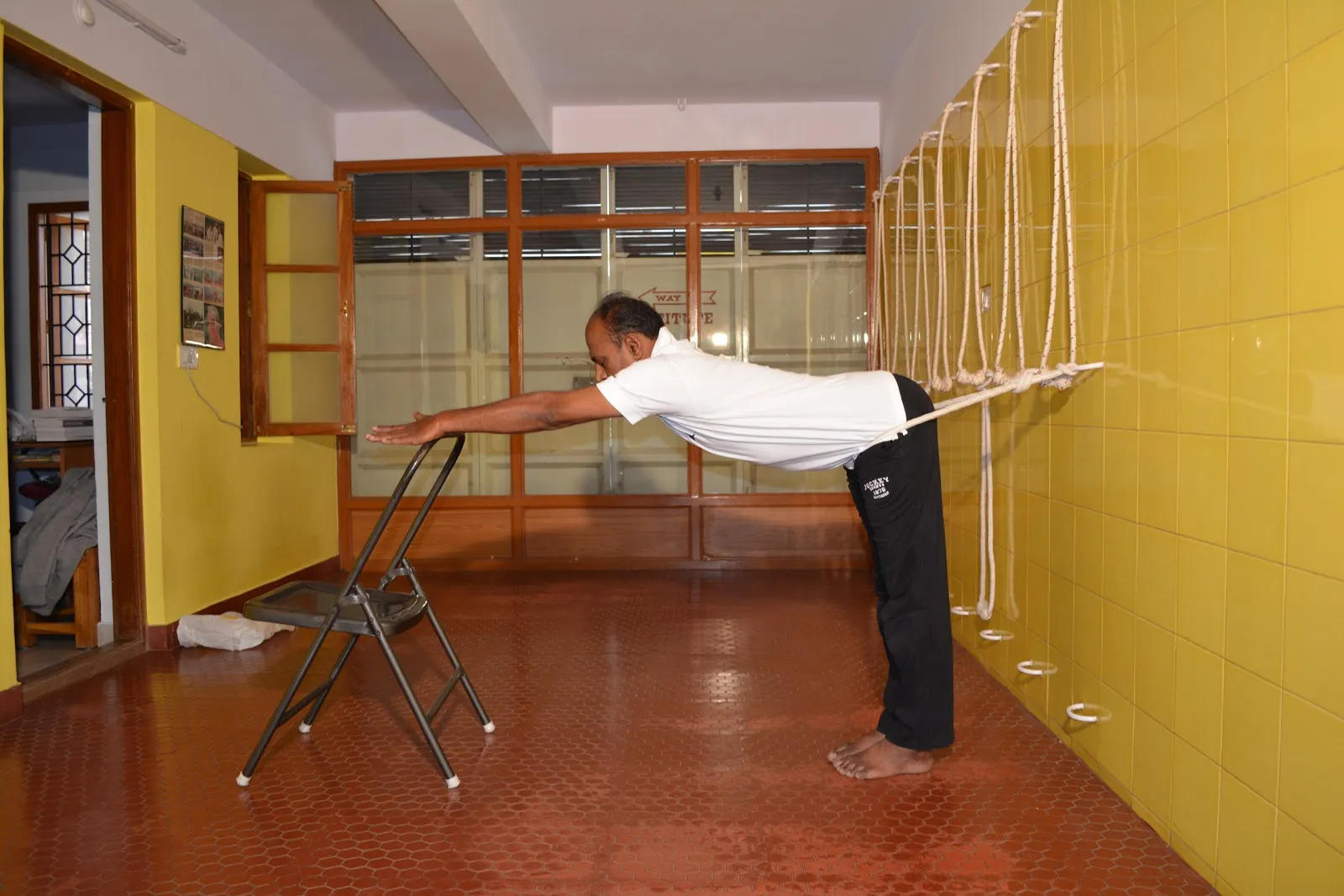
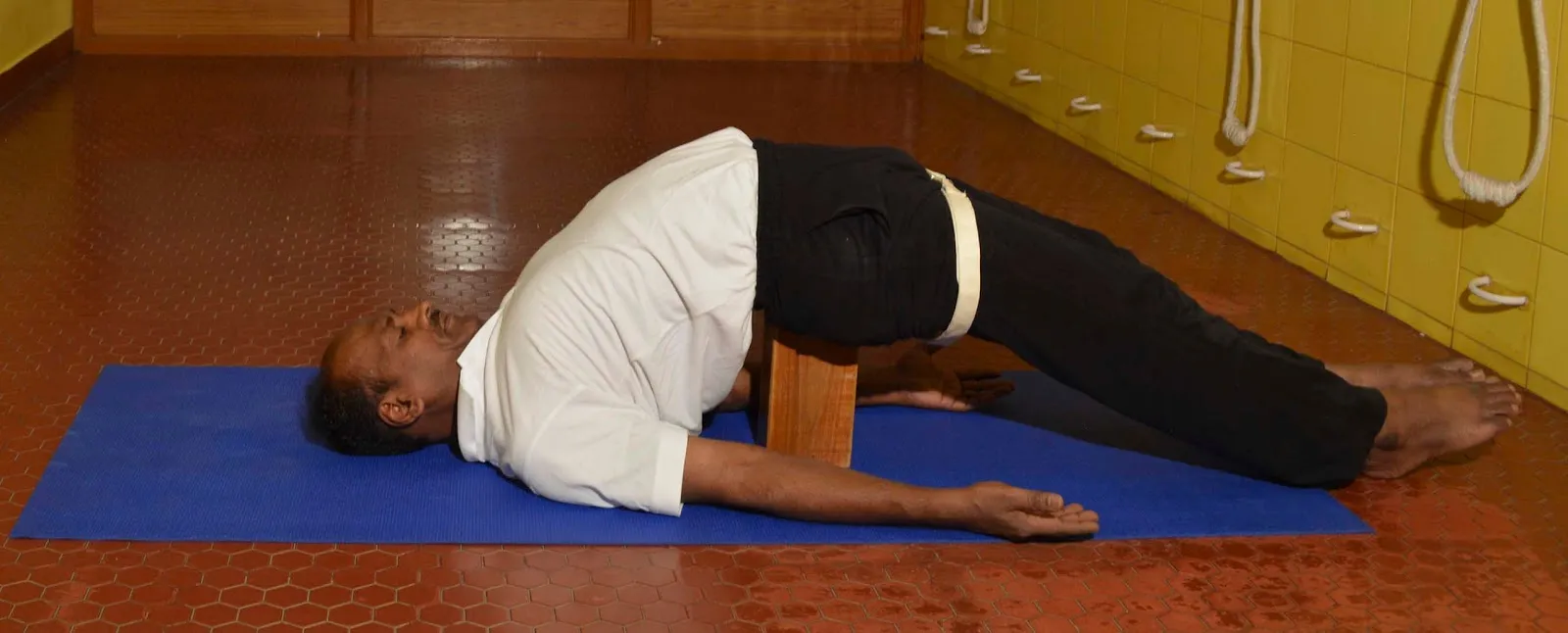
Precise alignment and the support of props let energy reach every part of the body, the internal organs above all.
Measured in years
Over time, the body is guided back towards its natural, healthy state. It cannot be rushed, and it does not need to be.
In his words
“As a direct student of B.K.S. Iyengar Guruji, I carry the responsibility of preserving the authenticity of his teachings while making them accessible to modern practitioners. The precision, alignment, and therapeutic focus that define Iyengar Yoga are not merely techniques—they are a way of life to which I have dedicated myself.”
What students find
Students come with stiffness, pain, stress and long-standing complaints, and many stay for years.